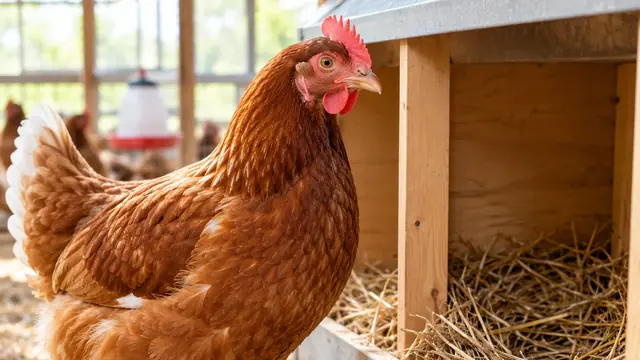

A hen doesn’t lay because she’s fed and warm — she lays because the day is long. Light entering the eye triggers the hormones that control yolk development. That’s why in winter, with an eight-hour day, even well-fed hens almost stop laying.
How many hours
| Age | Day length |
|---|---|
| First days as chicks | 20–23 hours, then gradually less |
| Pullets up to 16–17 weeks | 8–10 hours, no increase |
| Start of lay | Add 30–60 minutes a week |
| Laying | 14–16 hours, constant |
More than 16–17 hours of light adds no eggs. Hens need darkness too: they rest at night, and yolk and shell form on their own rhythm.
Two main rules
Don’t increase light for pullets before they start laying. Otherwise they’ll start before they’re mature, and eggs will stay small the whole cycle.
Never reduce light for laying hens. Even one hour less a day can cause a drop in production, sometimes even a molt.
How to add light in winter
- Add light in the morning, not the evening. In the evening hens go to roost on their own at dusk. If the light cuts off abruptly, some birds will be left on the floor in the dark.
- Use a timer. Light at different times each day upsets a flock more than a short day does.
- Start early. Begin supplementary lighting when the day drops below 14 hours — in mid latitudes that’s late August to September — not once hens have already stopped.
How bright
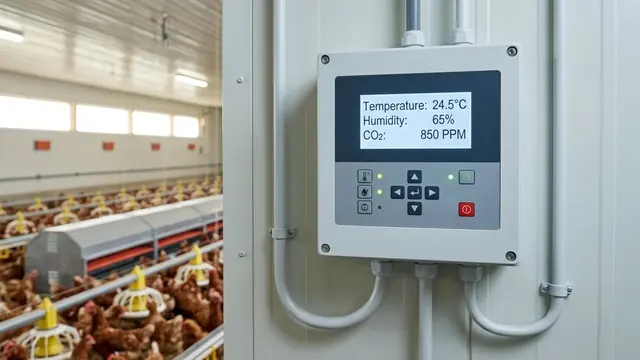
Hens need 10–20 lux at feeder level — light you could comfortably read a newspaper by. Bright light adds no eggs but causes nervousness and feather pecking. Warm white LED lamps are fine. Nests should stay dim: hens don’t like laying in a bright nest, and egg eating starts more often.
Common mistakes
- leaving lights on 24 hours “so they lay more” — you get stress and a bigger power bill;
- switching the lamp on when you arrive and off when you leave;
- adding light to pullets in autumn to bring them into lay sooner;
- forgetting to reset the timer after a power cut.
See how light affects collection
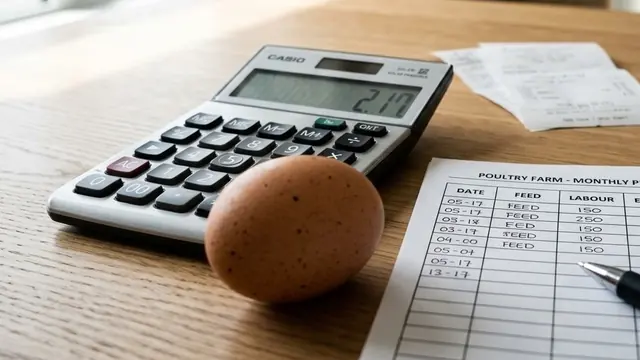
In EggPulse daily egg collection goes onto a chart. If you change the lighting schedule, note it, and within a week or two you’ll see the effect. The electricity cost of extra lighting can go into your finances and be compared with the revenue from the extra eggs.