
A fully feathered adult hen handles frost better than you’d think. What really threatens her is not cold but damp: wet air chills through the feathers, combs get frostbite, and mold grows in the litter. So wintering without heat is first of all a fight against moisture, not temperature.
What temperature they need
| Temperature in the coop | What happens |
|---|---|
| +12…+20 °C | Comfortable, normal laying |
| +5…+12 °C | More feed used, laying slightly lower |
| 0…+5 °C | A noticeable drop, noticeably more feed |
| Below 0 °C | Laying nearly stops; risk of frostbitten combs and frozen water |
The aim in an unheated coop is to stay above freezing through insulation, litter and the hens’ own body heat.
Moisture matters more than frost
Overnight hens breathe out and pass a lot of moisture in their droppings. In a sealed coop it settles on walls and ceiling, drips onto the litter, and by morning it’s damp and cold inside. Frostbitten combs nearly always happen in exactly this kind of damp air.
Insulate the coop, but don’t seal it. Ventilation is needed even in frost — through an opening under the roof, above the perches, not at floor level.
Insulation and ventilation
- Insulate the ceiling and the drafty walls, seal gaps at perch height.
- Leave an outlet under the roof and an inlet on the opposite wall above the hens’ heads. Cold air must not blow straight onto the birds.
- The sign of good ventilation: no frost or drips on the ceiling and no ammonia smell in the morning.
More on ventilation in poultry house climate.
Deep litter
A 15–25 cm layer of litter, topped up with fresh material instead of being fully replaced, warms from below in winter: slow composting goes on inside it. The litter must stay dry and loose. Turn it, and remove wet patches by the drinkers straight away. Which material to choose — see our bedding article.
Perches
A wide perch from a 5–7 cm board, not a thin pole. On a board the hen covers her toes with her body and they don’t freeze. Keep perches away from windows and doors.
Water
A hen without water stops laying within a day. In winter you need a frost-free drinker on a heated base, or a bucket swapped for a warm one two or three times a day. Snow is no substitute.
Feed
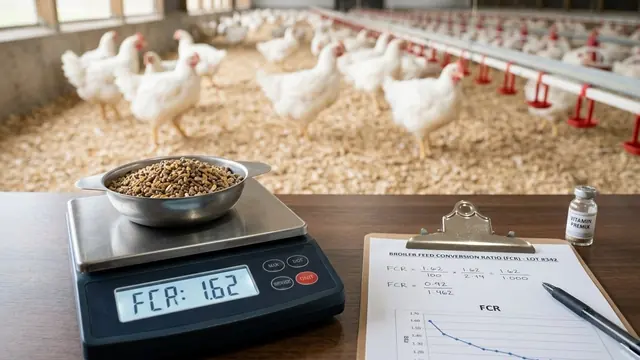
- in the cold, hens need 10–15% more feed — the energy goes into keeping warm;
- grain in the evening before roosting is good: digesting it keeps them warm at night;
- don’t cut calcium or protein, or you’ll have shell problems by spring.
Light
If you want eggs in winter, you need supplementary light: with a short day hens won’t lay no matter how warm. How to add light properly — see lighting for laying hens.
Temperature and feed in one log
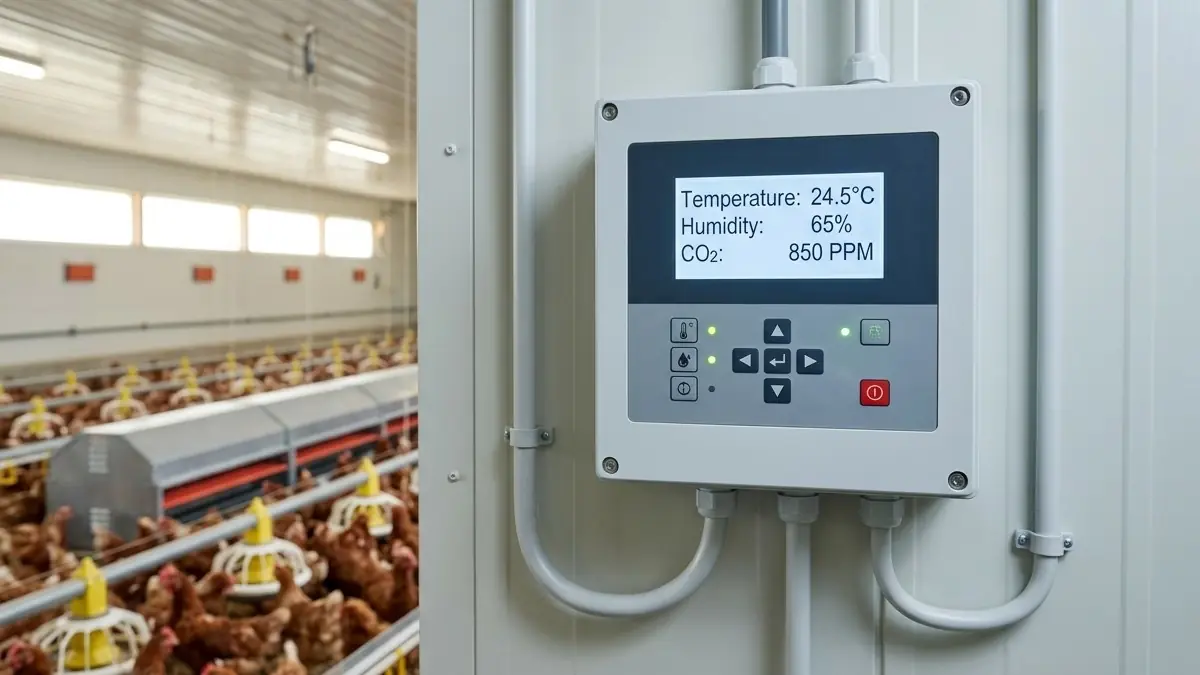
In EggPulse you can log coop temperature and humidity next to egg collection and feed use. You’ll see at what frost the flock starts eating more and laying less, and whether insulation or a heater would pay for itself.