
Bedding isn’t just “so it’s soft.” It absorbs moisture and droppings, insulates the floor and affects the air: when it is wet, ammonia builds up in the coop and the birds’ lungs and feet suffer. Choose by the conditions of your own house.
Materials compared
| Material | Pros | Cons |
|---|---|---|
| Pine shavings | Absorbs moisture well, soft, easy to clean | Must be dust-free and mold-free; bought bedding costs money |
| Straw | Cheap, warm, hens like scratching in it | Gets damp fast, can mold, absorbs less |
| Sand | Doesn’t rot, easy to scoop, no dust | No insulation, poor absorbency, cold in winter |
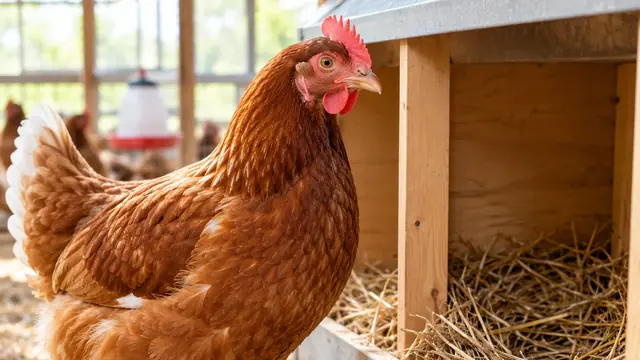
| Hay | Fine for nest boxes | Not for floors: molds quickly |
What to avoid
- Fine sawdust and dusty shavings: dust is bad for breathing. Choose animal-grade shavings.
- Moldy straw and hay: mold spores are dangerous for the lungs.
- Large chips that injure the birds’ feet.
Deep litter
Many farmers use deep litter: a 10–15 cm layer of shavings or straw that isn’t replaced entirely but turned and topped up. The layer slowly composts and warms the floor, but it only works with good ventilation and dryness. If the litter turns wet or smells of ammonia, change it.
When to change it
- The litter is packed down and wet under the drinkers.
- You smell ammonia — people notice it at head height.
- Birds sneeze, wheeze, eyes water.
- Before a new flock arrives — always a full change and disinfection.
Bedding and climate
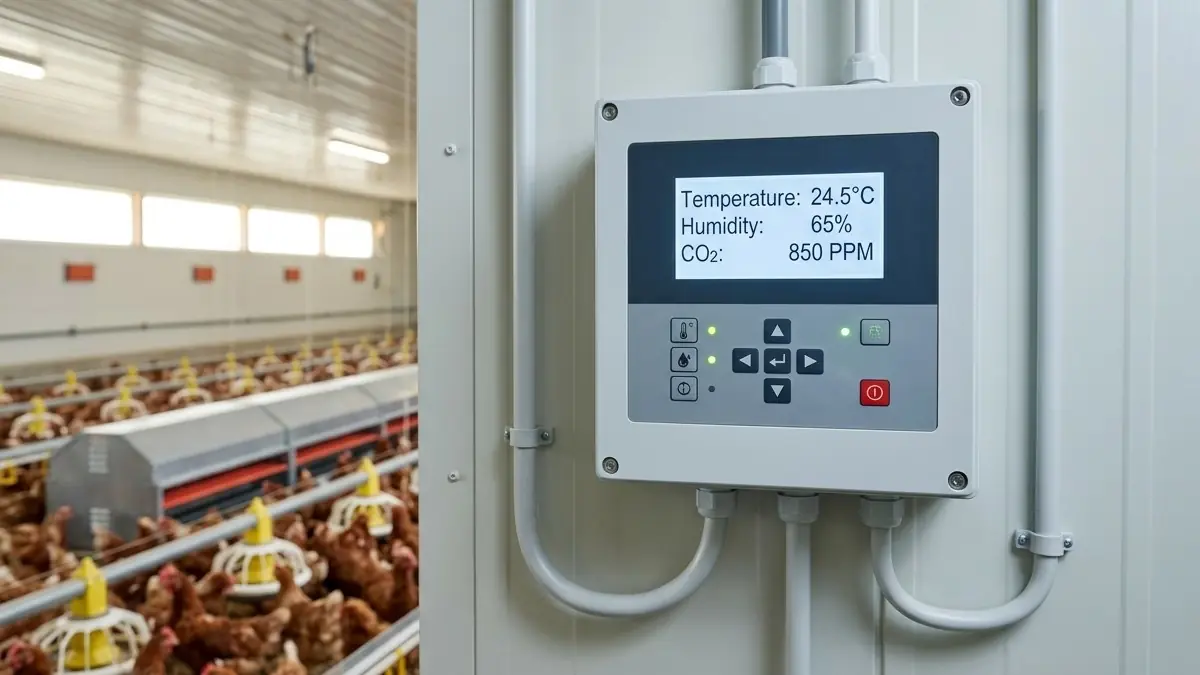
Dry litter is half of good air in the house. The other half is ventilation and temperature, covered in the climate article. Dry bedding matters most for chicks in the first weeks.
What it costs
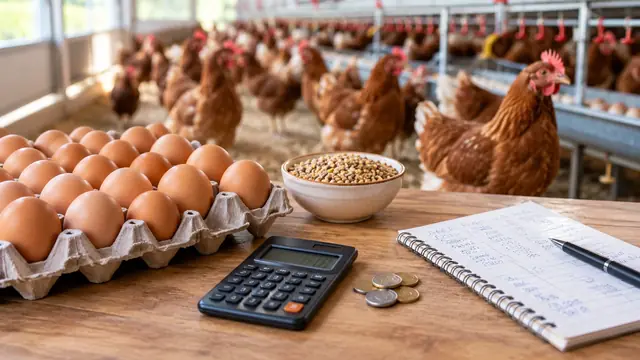
Bedding is a regular expense. So the figure doesn’t get lost, record it separately and include it in your egg cost.