
First hens are usually bought quickly and on enthusiasm, and the problems start afterwards: the coop is cramped, feed runs short, there are eggs but no profit. It’s better to work through these ten steps before you buy.
- Set a goal. Eggs for the family, selling eggs, meat or all of it — breed and flock size depend on it.
- Check the rules. Find out your local authority’s and veterinary service’s requirements for keeping birds and selling eggs.
- Work out the space. Indoors you need roughly 0.3–0.5 m² per hen, plus a run if you have one.
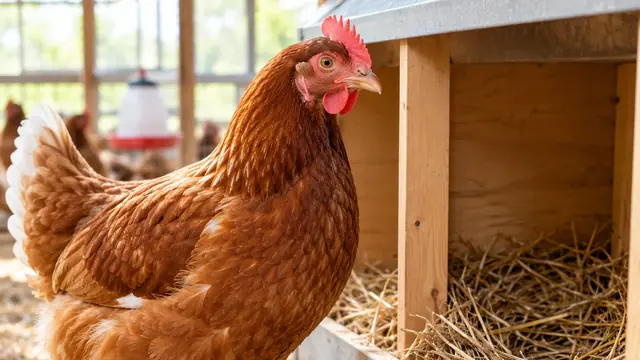
- Build the coop. It must be dry, draft-free and protected from rodents and predators. You need roosts, nest boxes (one per 4–5 hens), lighting and ventilation (on climate).
- Choose a breed. Layer or dual-purpose breeds for eggs, broilers for meat. More in the breeds article.
- Buy birds properly. Adult layers from reliable farms and using the signs in how to choose a laying hen. Young birds only with documents.
- Stock feed. Layer feed, shell grit or chalk, clean water. For amounts, see feed norms.
- Plan for health. Quarantine new hens, keep things clean and vaccinate on your vet’s schedule (vaccination schedule).
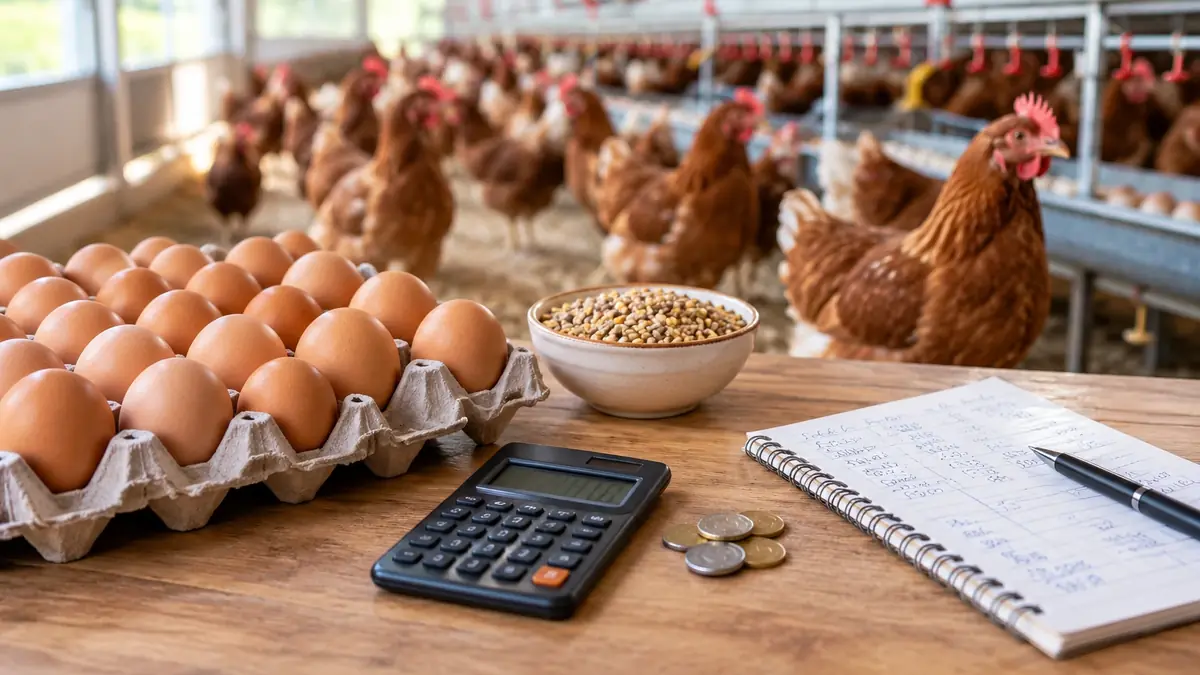
- Do the sums. Coop, hens, feed, bedding, vet. For payback, see profitability.
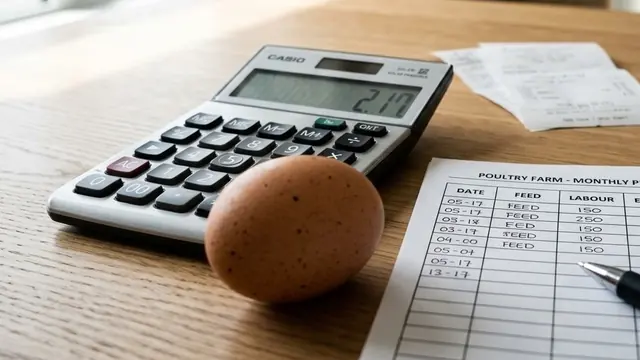
- Keep records from day one. Eggs, feed, mortality and expenses. Without them you can’t tell whether you earn or spend.
Start small
Ten to twenty hens is a good start. You will learn how much work care takes and can grow the flock once the routines are working.
Common beginner mistakes
- Too many birds in too little space.
- Buying hens “off the street” with no quarantine.
- Feeding “whatever there is” instead of layer feed, which drops laying.
- No records: six months on, you can’t recall what you spent.
Records from the first hen
EggPulse already has what you need to start: houses, eggs, feed, mortality, vaccinations and finances. The app works offline, so it suits a village too.