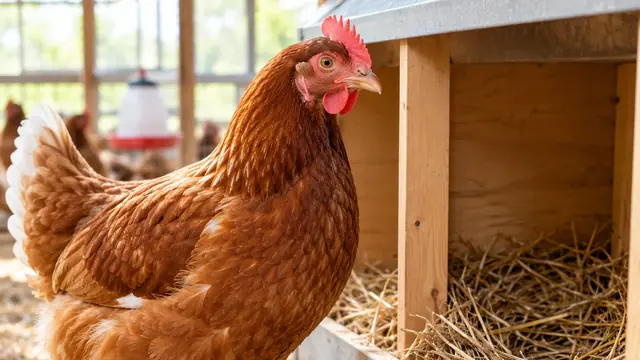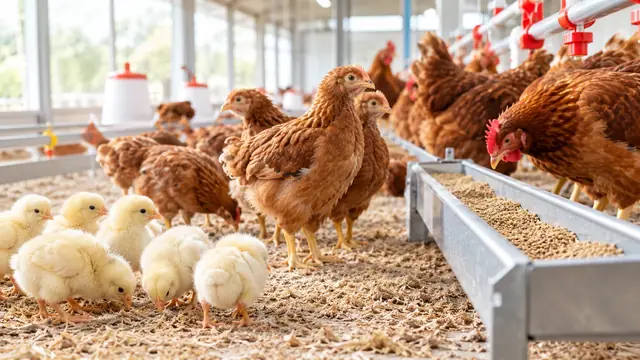

Quail respond to light faster than any other poultry: add an hour and a week later there are more eggs; cut it and laying stops. Hence the temptation to keep lights on around the clock, and bright. But then quail get nervous, peck each other and after a couple of months lay worse than on a proper program.
The lighting program
| Age and purpose | Light per day | Intensity |
|---|---|---|
| Quail chicks, week one | 22–23 h | Bright, so they find feed and water |
| Quail chicks, weeks 2–4 | Gradually down to 12–14 h | Moderate |
| Young hens, 4–6 weeks | A steady 12–14 h | Moderate |
| Layers, from the start of lay | 15–17 h | 10–20 lux, even across all tiers |
| Meat quail | Not around the clock: 16–18 h, dim light | 5–10 lux |
Japanese quail hens start laying at 6–7 weeks, and day length is increased once they reach adult weight. More than 17 hours of light adds no more eggs, but it does add nervousness and pecking (how many eggs a quail lays).
Why not bright and around the clock
- Pecking. Under bright white light quail notice every feather and drop of blood on a neighbor — and start pecking. Dim or warm light noticeably reduces fighting (on pecking).
- No rest wears birds out faster, and laying declines sooner.
- Fright. Lights snapping on in the dark make quail fly up and hit the ceiling; dawn and dusk are better made gradual.
How to set it up
- A timer on the lighting circuit is a must: quail are sensitive to disruptions, and a missed evening of light shows straight away in the egg count.
- Even across all tiers. LED strips or lamps on every tier, not one lamp under the ceiling: shaded bottom cages lay worse (on cages).
- Warm light (2700–3000 K) is calmer for birds than cold white.
- Extra light in the morning, before dawn: let the day end naturally in the evening.
- No “quick checks” at night with a bright flashlight — a red flashlight frightens quail less.
First check whether the timer has slipped or a lamp has burned out. Cutting day length by even 1–2 hours over a week noticeably reduces laying. After that — feed (protein and calcium), water, stress and flock age.
In winter
Without extra light, quail almost stop laying in winter. If you don’t want to run lights all year, let the flock rest in winter and replace it with young hens then: quail lay best in their first 8–10 months of lay, after which production falls (on starting a quail farm).
Light in your records
In EggPulse eggs are logged by cage and house every day, and the laying rate is calculated on the live head count. If you changed the day length, note the date in the log: within a week or two you’ll see whether it helped.