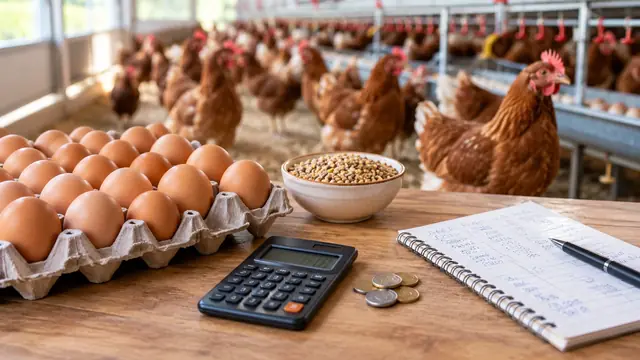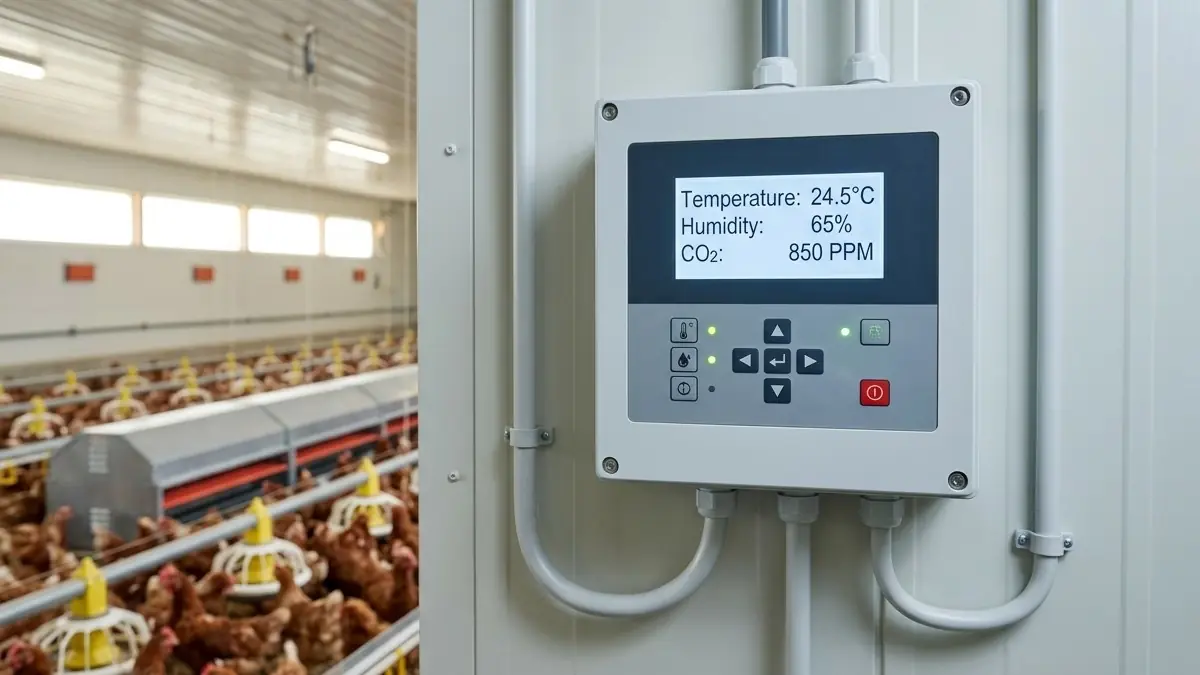

In the heat a hen pants with her beak open, holds her wings away from her body, eats less and drinks twice as much. Panting is her only way to cool down — birds have no sweat glands. But with the water vapor she also breathes out carbon dioxide, and her blood turns alkaline. Shells thin, laying drops, and broilers can die within hours. Ventilation and water come first (heat stress in poultry), but a few additives make the hot days noticeably easier on birds.
Electrolytes: salt, potassium, bicarbonate
With fast breathing and heavy drinking, birds lose sodium and potassium and their blood's acid–base balance slips. Electrolytes in the water help restore it and encourage birds to drink — and drinking itself cools them in the heat.
- Potassium chloride — 0.1–0.2% in water on the hottest days.
- Sodium bicarbonate (baking soda) — in feed in place of part of the salt: same sodium, without extra chloride. For layers it also helps the shell when given in the second half of the day. Usually a third to a half of the salt is replaced.
- Ready-made electrolyte blends for water — the easiest option: sodium, potassium and citrates are already balanced.
Don't add electrolytes "by eye" to feed that already contains salt. Excess sodium means wet droppings, and in young birds, poisoning. If you're giving electrolytes in the water, make sure birds always have plenty of plain water too, and change the solution in the drinker every day.
Betaine
Betaine is extracted from sugar beet. In the heat, gut and muscle cells lose water, and betaine helps them hold it: it acts as an osmolyte, a substance that keeps water inside the cell. In trials it maintains feed intake and breast meat yield in broilers in hot weather, and slightly supports laying in hens. The usual dose is 0.5–2 kg per tonne of feed.
Betaine is also a methyl donor and can partly stand in for methionine and choline in that role. But it can't replace methionine entirely: feathers and eggs need methionine as an amino acid (synthetic amino acids).
Vitamins C and E
In normal conditions birds make their own vitamin C and don't need it in feed. In the heat, synthesis falls short while demand rises. So in hot weeks it's given as a supplement — 200–250 mg per kilogram of feed, or in the water. Vitamin C breaks down in water within hours, so make the solution fresh, morning and evening.
Vitamin E works together with selenium to protect cells from damage. In hot weather its level in feed is often raised 1.5–2 times. Fresh premix matters here: vitamins lose strength faster in warm storage (vitamins and premix).
A "cooler" feed
Digestion itself warms the bird. Protein and fiber produce more heat; fat produces less. So in hot weather feed is made "denser": a bit more fat, a bit less crude protein while keeping amino acids complete. Feeding is moved to the cool hours. More in feeding poultry in hot weather.
What else you'll come across
| Additive | What's known |
|---|---|
| Chromium (picolinate, propionate) | Some help in heat in trials. Not authorized as a feed additive in the EU; check the rules elsewhere. |
| Organic trace minerals | Organic zinc and selenium are absorbed better when birds eat little (organic trace minerals). |
| Phytogenics | Some blends support the gut under stress; the effect is modest. |
| Ammonium chloride | Acidifies the blood. Used cautiously and briefly, only on specialist advice. |
What to do before a heatwave
- Watch the forecast. Start electrolytes and vitamin C 1–2 days before the heat, not once birds are already lying down.
- Additives in water only with free access to water and working drinkers.
- After the heat, phase additives out over 2–3 days.
- None of this replaces ventilation, shade and cool water.
Heat in your records
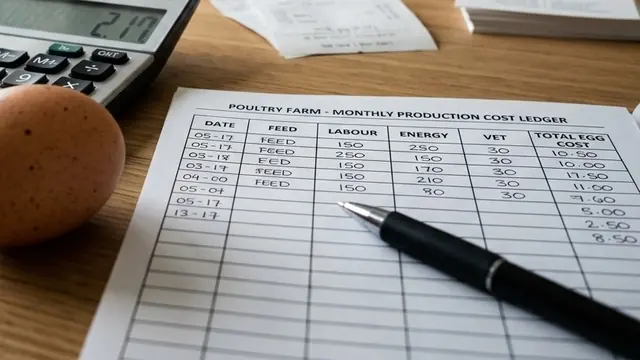
In EggPulse, the climate log and the water log show how temperature and water use changed on hot days, and the egg log shows what happened to laying and rejects. Additives go into the additives section with dose and expiry, so next summer you can see what helped and what didn't.