
Almost every disease reaches a farm from outside: with new birds, on boots, with rodents, wild birds, or a supplier’s vehicle. Biosecurity sounds like something for big poultry companies, but on a small farm it matters even more: one outbreak can take the whole flock and years of work.
Quarantine for new birds
New birds can look healthy and still carry disease. So:
- keep them apart for 3–4 weeks, in another building and at a distance from the main flock;
- care for the quarantine group last, in separate boots and clothes;
- have droppings tested for parasites (on worms) and watch the birds;
- buy from reputable farms with veterinary documents.
All in, all out
Where possible, keep birds of one age in a house and replace them all at once. Between flocks, empty the house completely, remove litter, wash and disinfect, then leave it empty for at least 1–2 weeks. That way disease doesn’t pass from the old flock to the new one.
Footbaths and boots
- a disinfectant mat or footbath at the entrance to each house, with the solution changed regularly;
- best of all — separate boots for each house that never leave it;
- visit young birds first, then adults, and sick or quarantined birds last.
Visitors
Anyone who has been on another farm, at a bird market or hunting waterfowl can bring pathogens in on their clothes. It’s best to keep visitors out of the houses. If they must come in, give them overshoes or spare boots and a coverall. Feed delivery and buyers’ vehicles shouldn’t drive up to the houses.
Rodents and wild birds
Rats and mice carry salmonella and other infections, and they eat feed. Wild birds, waterfowl especially, are the main source of avian influenza.
- Store feed in closed containers and clean up spills.
- Set traps and bait in tamper-proof stations around the perimeter and keep a log.
- Cover windows and openings with fine mesh.
- Don’t put feeders outdoors where sparrows and pigeons gather.
Dead birds
Remove dead birds the same day into a closed container and dispose of them as local rules require. Don’t dump them in the woods or give them to dogs: that spreads disease further. With unusual mortality, take carcasses to a vet for post-mortem.
Water and feed
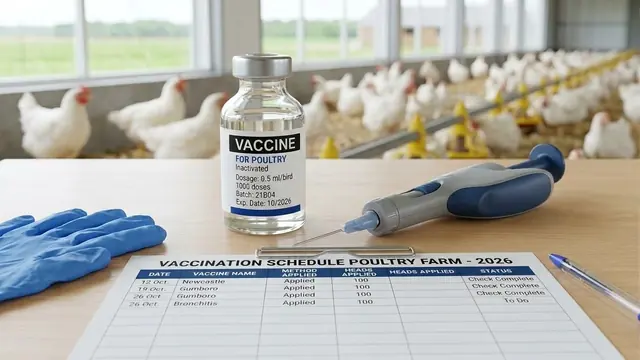
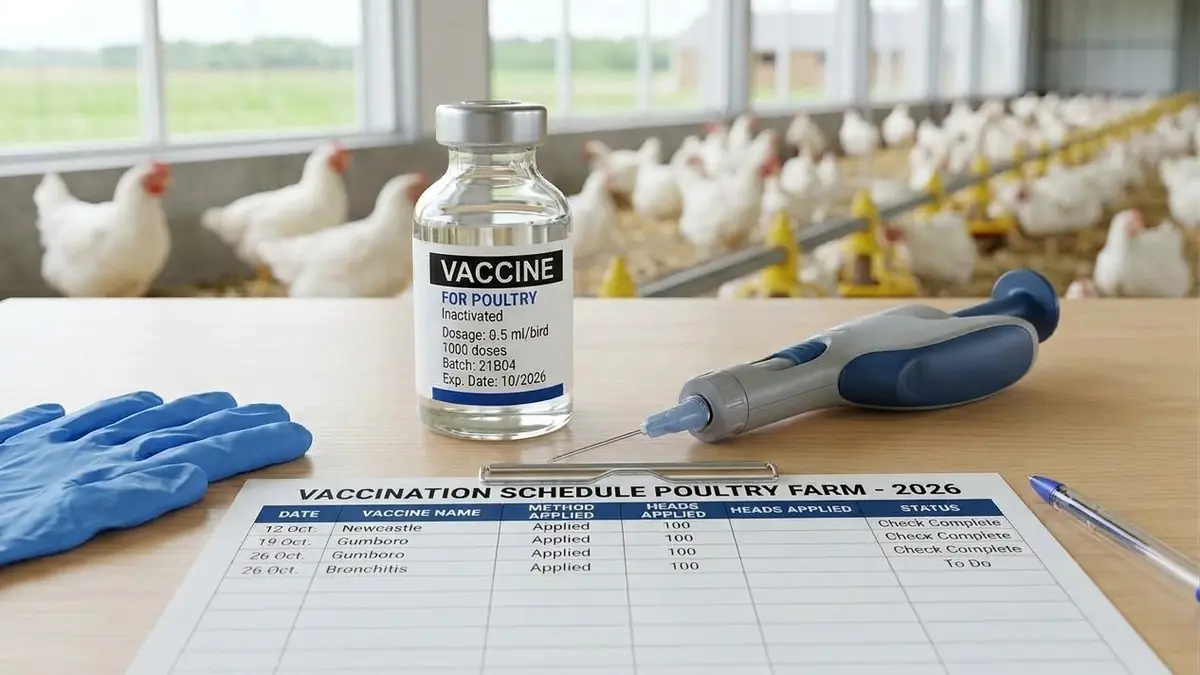
Water from an open pond can be contaminated by wild birds. Buy feed from reliable suppliers and keep it dry. More on preventing specific diseases in salmonella prevention and the vaccination schedule.
Rules that don’t get forgotten
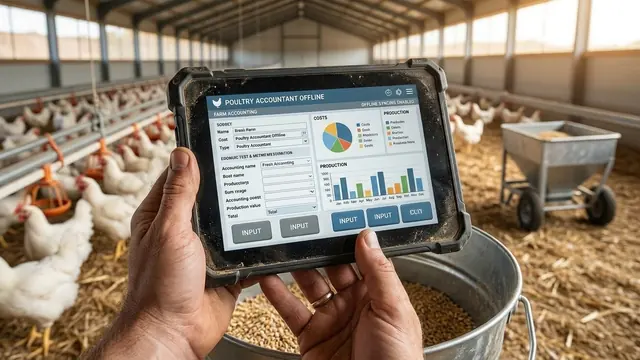
In EggPulse you can keep tasks for each house: disinfection between flocks, changing the footbath, checking traps. Inspection, vaccination and lab records are stored for each flock and are easy to show a vet or a buyer.