
Raising birds is half the job. The other half is selling in a way that covers costs and leaves something over. Small farms often get the opposite: everything sold, no money left, because the price was set “like the neighbor’s” rather than from cost.
Price starts with cost
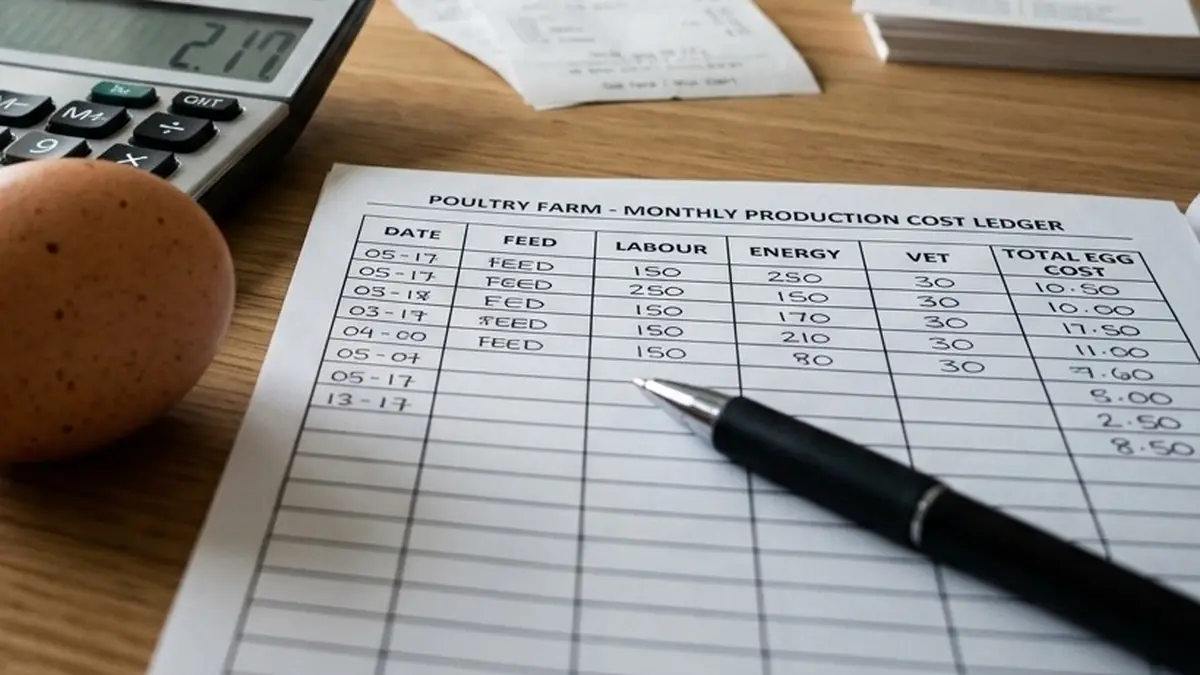
Before naming a price, work out what an egg or a kilogram of meat costs you: feed, birds, litter, electricity, vet care, packaging, transport and your time. How to do it — see egg production cost and farm profitability.
Minimum price = cost + a markup that covers losses (breakage, unsold stock) and leaves a profit
If the market price is below your cost, that’s a reason not to cut your price but to find where money is leaking — or a buyer who values quality.
Where to find buyers
| Channel | Pros | Cons |
|---|---|---|
| Neighbors, friends, word of mouth | Best price, no middlemen | Small volumes |
| Markets, fairs | Many buyers | Time, a pitch, paperwork requirements |
| Cafés, restaurants, bakeries | Regular volume | Need consistency and documents, pay late |
| Shops | Large volumes | Low price, strict requirements |
| Social media and messengers | You can build a loyal customer list | Needs upkeep and replies |
How to keep regular customers
- Consistency. Customers come back when they know there will be eggs every week. Plan the flock so there are no gaps (on replacing the flock).
- Clean, graded eggs. Grading by size lets you price differently.
- Dated packaging. Customers see freshness, and you see when eggs went out.
- Honesty. Don’t claim “antibiotic-free” if you treated, and observe the withdrawal period.
Selling on credit
Cafés and shops often pay a week or two later. That’s normal, but debts must be recorded: who owes, how much, and when they promised to pay. Otherwise a month later half your revenue sits with customers while the feed bill is due.
Paperwork
Requirements vary a lot by country and by where you sell. Usually you need veterinary documents for the produce, proof the farm is disease-free, and lab test results; for meat, slaughter with veterinary inspection. Small producers often have simplified rules or exemptions. Check with your local veterinary or food authority before you start selling, not after the first inspection.
Sales and debts in your records
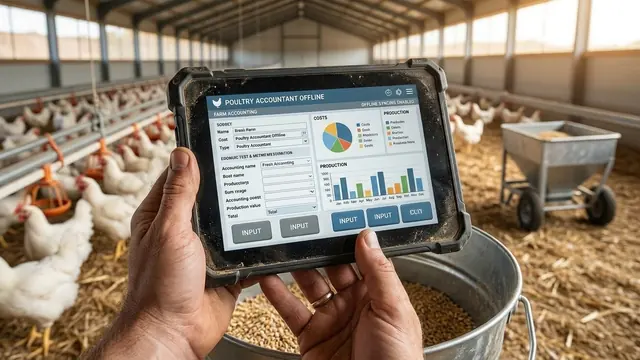
In EggPulse sales go into your finances with the buyer and the payment due date, and debts are shown as a separate list. Your cost is right there too, so you can see straight away whether each customer is profitable.