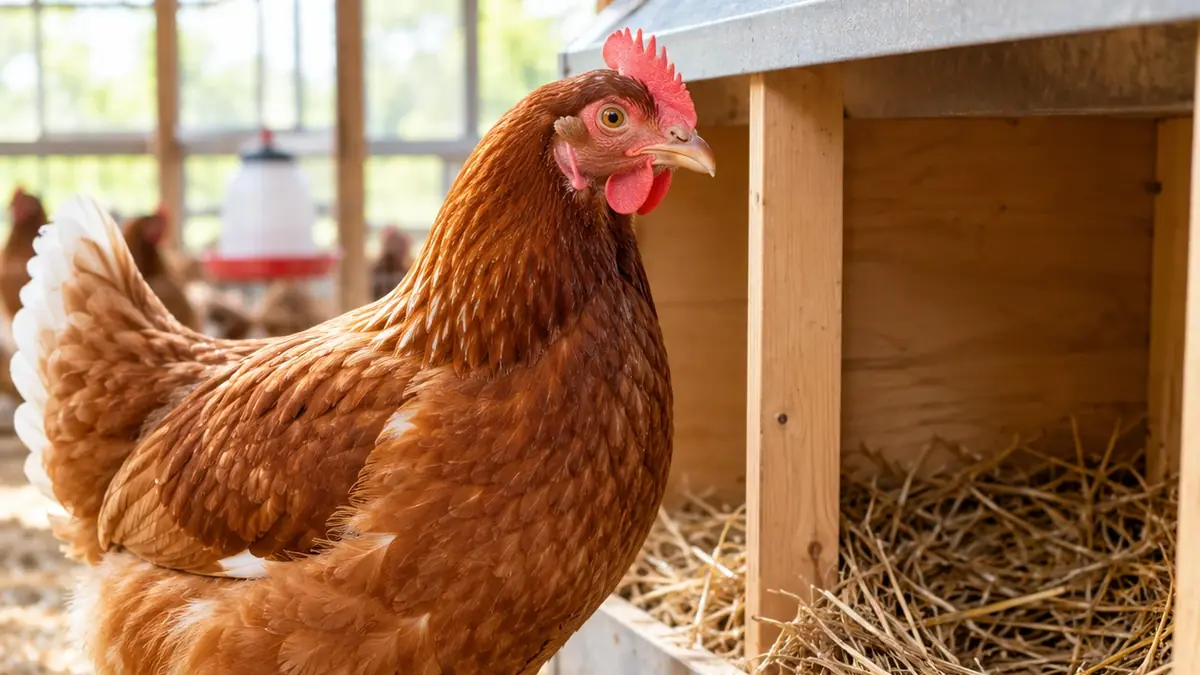

In a good backyard a hen can live five to eight years, while on commercial farms the flock is usually replaced after a year and a half to two. The difference isn’t health but arithmetic: an old hen lays fewer eggs and eats just as much.
Laying by age
| Age | What happens |
|---|---|
| 5–6 months | Start of lay, eggs still small |
| 7–18 months | Peak, the most eggs |
| Year 2 | Roughly 10–20% fewer eggs, larger eggs, thinner shells |
| Year 3 and on | Still lays, but noticeably less often |
Figures are approximate and depend heavily on breed, feed and conditions. For the decline, see why hens stop laying.
What affects lifespan
- Breed. High-output crosses wear out faster than slow-paced dual-purpose breeds.
- Feed. A complete ration and a calcium source keep the bird strong (feed norms).
- Conditions. Dry, clean, no drafts and no crowding.
- Health. Vaccination and parasite prevention (on diseases).
- Protection. Predators and stress shorten life as much as disease.
When to replace the flock
It’s a question of money, not age. Compare three numbers:
- Laying percentage (how to calculate it).
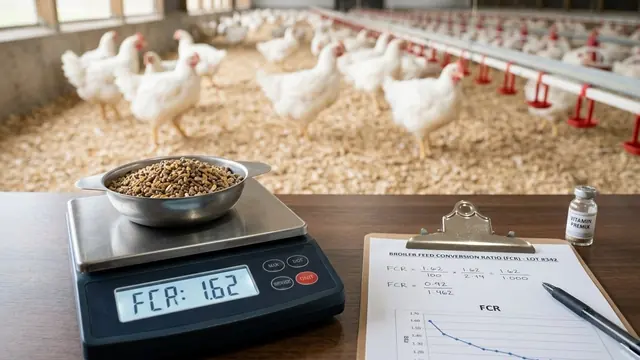
- Feed use per dozen eggs.
- The price you sell eggs at.
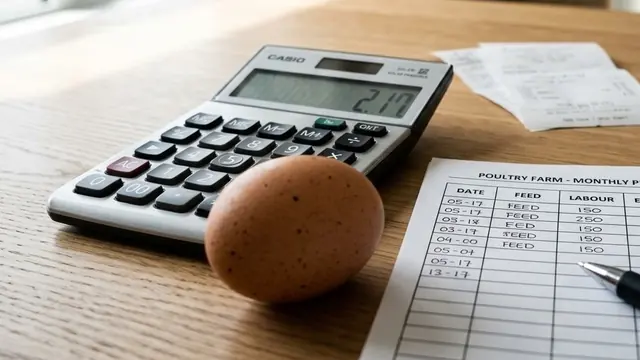
When egg revenue stops covering feed and other costs, it’s time to replace the flock or at least part of it. How that line is drawn is covered in profitability and egg cost.
If hens are pets
For a family keeping hens “for the soul,” lifespan matters more than eggs. Feed, cleanliness and the vet then cost more than the eggs bring, but the hen lives long and brings joy.
When to replace — by the numbers
In EggPulse, laying, feed and costs are calculated automatically, and the trend per house is on the chart. The decision to replace the flock comes from numbers, not feelings.