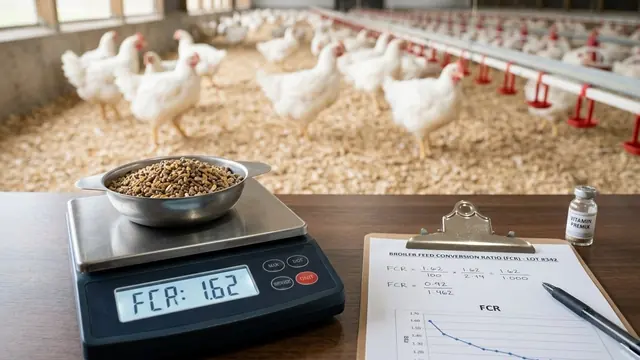

Soybean meal got more expensive, and over the winter the farm next door “cut the soy,” replacing it one-for-one with pea meal. A month later the broilers were a week’s growth behind. On paper the protein was the same, but the results weren’t. Soy can be replaced, but not on a single number — and every substitute has its limits.
Why soy is the benchmark
Soybean meal brings 44–48% protein and, more importantly, plenty of lysine — the first amino acid grain runs short of. Together with corn or wheat it covers most of a bird’s needs. Any substitute is compared not on “crude protein” but on how much lysine and methionine it delivers.
What to replace it with
| Ingredient | Protein, % | Strength | Limit |
|---|---|---|---|
| Sunflower meal | 30–40 | Cheap, high in methionine | High fiber, low lysine; usually up to 10–15% for broilers |
| Rapeseed (canola) meal | 34–38 | Good amino acid profile | Glucosinolates; about 5–10% for layers; fishy-smelling eggs in some brown-egg strains |
| Peas | 20–24 | High in lysine | Low methionine; usually up to 20–30% with added methionine |
| Faba beans, lupins | 25–35 | Grow almost anywhere | Anti-nutritional factors; low-alkaloid varieties only, in small amounts |
| Distillers’ dried grains (DDGS) | about 27 | Often cheaper than grain per unit of protein | Quality varies batch to batch; 5–10% of the ration |
| Fish meal | 55–70 | Best amino acid profile | Expensive; no more than 3–5% for layers, or eggs taste fishy |
| Insect meal (black soldier fly) | 40–55 | Close to fish meal | Still expensive; allowed in EU poultry feed since 2021 |
These are averages: the protein in the same meal varies by several points between plants. Ask your supplier for a batch analysis.
What matters is lysine and methionine
A hen doesn’t need “protein,” she needs specific amino acids. Replace 10% of soybean meal with sunflower meal, and the mix has almost the same protein but noticeably less lysine — hence the lagging broilers. The fix is synthetic amino acids:
- Lysine and methionine are sold as feed additives and are inexpensive. A few kilograms per tonne let you replace part of the soy with cheaper meal without losing growth.
- Calculate the swap on digestible amino acids, not totals: in sunflower meal and DDGS they’re absorbed worse than in soy.
What not to do
- Raw soybeans. Without heat treatment they contain trypsin inhibitors: birds eat, but the protein isn’t absorbed. Only extruded or roasted soy works.
- Cottonseed meal for layers. Gossypol gives yolks green and brown discoloration.
- Switching overnight. Bring in a new ingredient over 5–7 days, or birds refuse the feed.
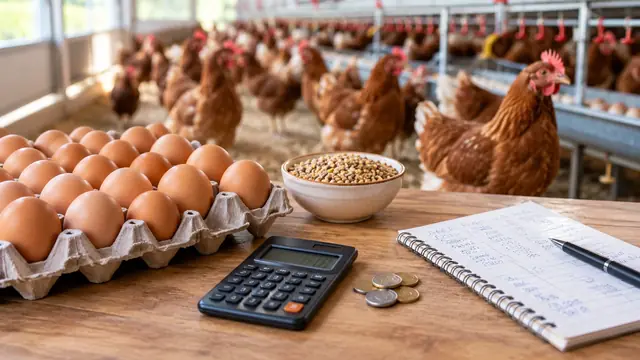
- Price per kilogram only. Cheap meal with poor digestibility can cost more per kilogram of gain or per dozen eggs.
Compare not the price per tonne but the price per kilogram of digestible lysine. A meal at half the price of soy with half the lysine saves you nothing.
How to build the mix
What usually works is a combination rather than a single swap: some soy, sunflower meal, peas and synthetic amino acids. That lowers the price without exceeding any limit. How to calculate a mix by hand is shown in the article on rations from your own grain.
Finding the substitute in the app
In EggPulse ingredients go into the feed store with their prices, and recipe formulation finds the cheapest mix that meets the norm for the species and age. Add peas or sunflower meal with their prices and set a limit such as “rapeseed meal no more than 8%” — you’ll see right away how much cheaper a kilogram of feed gets and whether the mix meets the protein, lysine and methionine norms.